

The Start of My Journey:
I started questioning my sexuality around the age of 15. I don’t really remember what started this chain reaction of exploring my sexuality but I remember that at this time I started telling people I was bicurious. Bicurious means liking someone of the opposite gender as well as questioning whether you like another gender – for me, I started wondering if I liked girls. I went to google to find out more and surprisingly, in retrospect, there was extremely limited knowledge. I remember finding some information that was beyond just gay and lesbian on blogs similar to this one but that was about it. I’m very happy now that throughout the years countless of numbers of sources on gender and sexuality have been uploaded to the internet. More people are focusing on educating and tolerance.
I continued for the next two years to learn more about sexuality and gender and then in grade 11, I had discovered the term pansexuality – my personal upgrade from bisexuality. To understand pansexuality in its whole, we first need to understand the spectrum of gender and sexuality. It’s finally time to get to the actual topic of this blog.
I’ll be explaining four things over the next 3 blogs: sex, sexuality, gender and romance.
Sex:

Why is there ‘sex’ and ‘sexuality?’ Well because sex is described as your physical or biological sex while sexuality is who you want to have sex with – and how much you want to have sex. Many people believe that sex is binary (of two, male and female) however, just like the 3 other topics, it is a spectrum. Male on one side, Intersex in the middle, and Female on the other side.
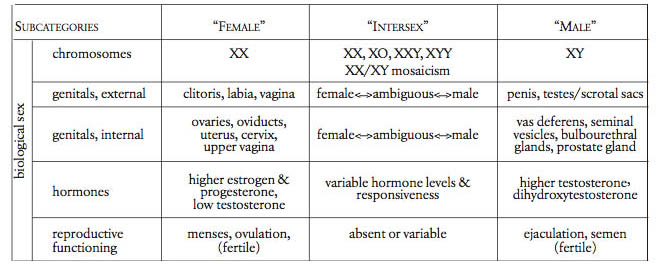
Intersex is defined as someone born with aspects of both male and female anatomy, chromosomes and/or hormones. An example of an intersex person is South Africa’s Caster Semenya because she has higher levels of testosterone. Semenya is on the scale of intersex however she leans far more towards female as higher levels of testosterone is her only intersex trait. Other Intersex people can have full blown genitalia that feature both male and female. Majority of the time when an intersex child is born, corrective surgery is done immediately and this can lead to complications later in life when puberty hits. Not only can this cause chemical and medical complications but can also lead to gender dysmorphia – the feeling that the body you’re in is not yours and that you should have the body of the opposite gender. Corrective surgery should not be done until after puberty, when the person either chooses or continues to live as intersex if that’s what they’re happy with.
Today’s Blog has come to an End:
Next week we will speak about gender, sexuality and romance spectrums, otherwise, I hope you enjoyed the introduction and understand biological sex better now.
Peace,
– A

 A's Explanations